
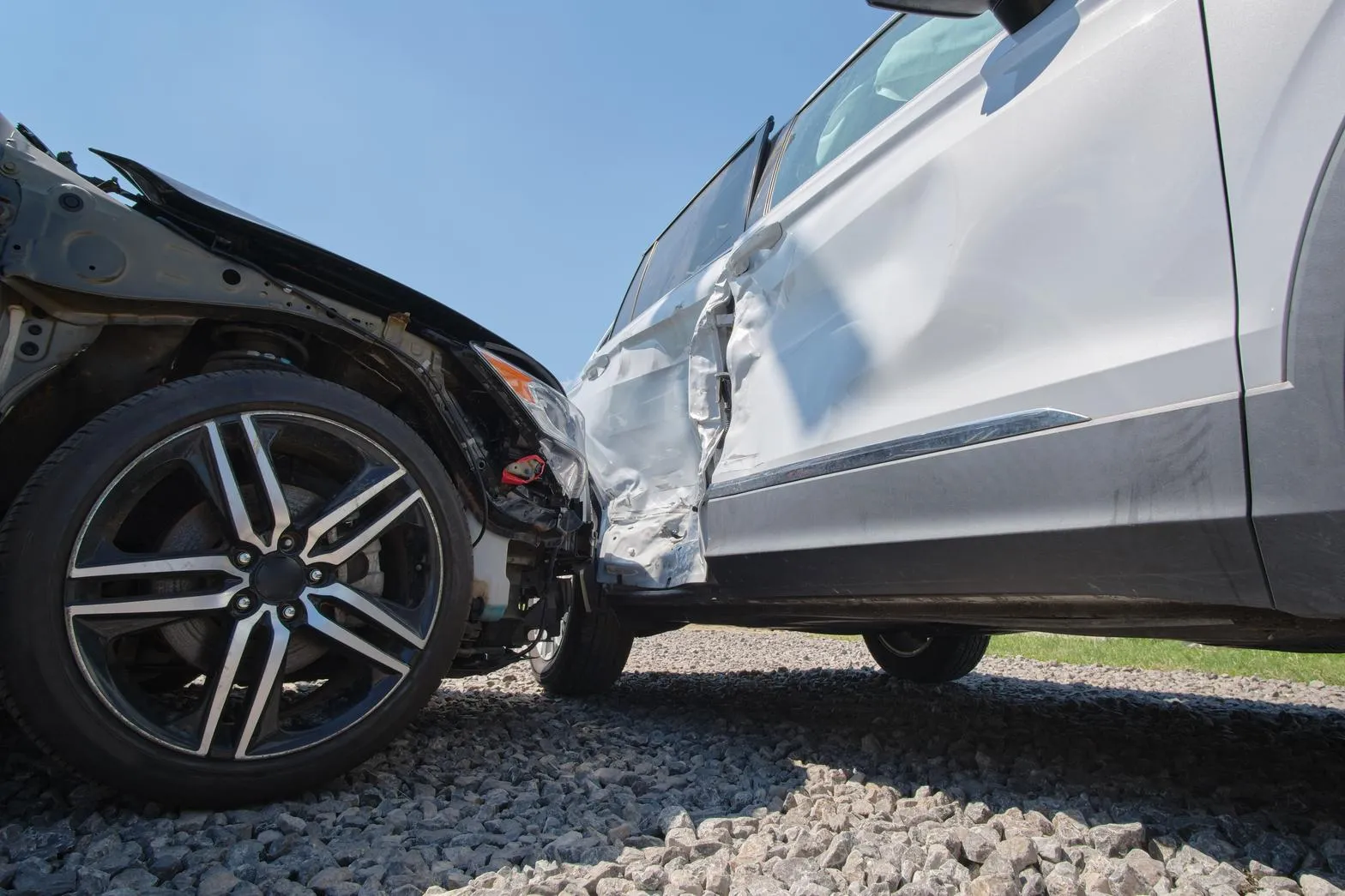
Wisconsin Diminished Value Attorney for Repaired Vehicles
If another driver damaged your vehicle in Wisconsin, you can usually claim the market value it lost because of the accident, even after a good repair. A Wisconsin diminished value attorney at Diminished Value Attorneys pursues that loss from the at-fault driver’s insurer. Wisconsin gives you three years for vehicle damage from a crash, and insurers often expect notice much sooner, so act promptly.
Key facts: Wisconsin
three years for property damage caused by a motor vehicle accident. Insurers often want notice far sooner.
the at-fault driver’s liability insurer (a third-party claim).
you can recover if your negligence is not greater than the other driver’s, and the award is reduced by your share.
many personal auto policies do not pay diminished value on first-party collision claims.
414-401-7320. Monday to Friday, 8 AM to 5 PM. Weekends by appointment.
What is diminished value?
Picture two identical SUVs on a dealer’s lot in Brookfield. Same year, same trim, same miles. One has a clean history report; the other shows a collision and a repair. Buyers pay less for the second one, and dealers knock down the trade-in offer. That gap is diminished value, and it exists even when the body shop did good work.
Two things cause it. First, the history report: if the crash was reported to Carfax or AutoCheck, that accurate history generally stays on the report for the life of the vehicle. Second, the physical evidence a repair leaves under the paint, like body filler, pinhole welds, hammer dimples, and heat-affected metal where panels were pulled or replaced.
Lawyers call the stigma piece inherent diminished value. A poor or incomplete repair adds repair-related diminished value on top.
Some illustrative numbers. A vehicle worth $28,000 with a clean history might bring $22,500 after the accident and repair. The $5,500 difference is the diminished value loss. You do not have to sell the vehicle to have that loss.
Who pays a diminished value claim in Wisconsin?
Most of these claims are third-party claims. You bring them against the liability insurer for the driver who caused the crash. The body shop bill covers the repair. The lost market value is a separate loss, and paying the shop does not erase it.
Going through your own collision coverage is a harder road. Many personal auto policies do not pay diminished value on first-party collision claims. Policies differ, so a Wisconsin diminished value attorney should read yours before telling you anything. Usually, though, the claim belongs with the at-fault driver’s insurer.
How long do I have to file a diminished value claim in Wisconsin?
Three years. That is the Wisconsin deadline for property damage caused by or arising from a motor vehicle accident. A repair can take weeks, and an adjuster can take months to give a real answer. Before long, a good part of the window is gone.
Insurers also set their own internal notice timelines, and those often run much shorter than the legal deadline. Evidence fades too: photos get deleted, estimates get lost, the shop forgets what it found. Call us as soon as the repair is finished, or sooner, while the paperwork is still in the glovebox.
What happens if I was partly at fault?
You may still have a claim. In Wisconsin, you can recover as long as your negligence was not greater than the other driver’s. Whatever you recover is reduced by your share of the fault.
Adjusters know this rule well. Pinning a slice of blame on you is a quick way to shrink a check. Chris Martineau worked in the property claims department of a major insurance carrier before he became a lawyer, so he has watched that move from the inside.
Why does the insurer’s 17c number look so low?
Many adjusters run a formula called 17c. It came out of a 2001 Georgia class action against State Farm, and carriers now use it far outside Georgia. It is an insurance company formula, not a market price. The math goes like this:
- It caps the starting loss at 10% of the vehicle’s pre-loss value.
- It multiplies by a damage modifier, from 1.00 for severe structural damage to 0.00 for none.
- It multiplies again by a mileage modifier that falls from 1.0 at zero miles to 0.0 at 100,000 miles or more.
The 10% cap is arbitrary. The damage modifier ignores the stigma buyers attach to any reported accident, and the mileage modifier zeroes out any vehicle at 100,000 miles or more. None of it looks at what comparable vehicles actually sell for. We answer the formula with market evidence. Already turned down? See what we do with denied diminished value claims.
What does a Wisconsin diminished value attorney do for you?
An appraisal service sells you a report and leaves you to argue with the adjuster. Diminished Value Attorneys takes the claim from start to finish. We bring value, beginning to end.
- Tell us about the vehicle. Year, make, model, mileage, and what happened.
- We evaluate the claim. You get a straight answer.
- We build the evidence. Valuation work, repair documentation, and market comparables.
- We handle the carrier. The adjuster deals with us, not you.
- You recover the value. If the carrier refuses to pay, we walk you through your legal options.
Chris Johnston manages the practice. Over 25 years of legal experience, mostly in personal injury, he kept seeing the same thing: people whose cars had been damaged and repaired were told, incorrectly, that they “don’t have a diminished value claim.” Frustrated by the lack of candor from carriers, he started this diminished value practice. In his words: “Insurance companies rarely tell you about diminished value, but I do.” Chris Martineau, a trial attorney with over two decades of experience, holds licensure in multiple states. For the longer version, read how diminished value claims work.
Is my vehicle a good candidate?
Strong claims tend to share a profile:
- The vehicle has under roughly 100,000 miles.
- The accident was not your fault.
- The vehicle is less than about seven years old.
- An insurance company paid for the repairs.
Newer vehicles with low miles lose the most dollars. So do luxury and performance models and higher-value trucks and SUVs. Outside the profile? Call anyway. We will tell you plainly whether the claim makes sense.
What should you collect for a Wisconsin claim?
You don’t need a perfect file to start, but these records make the claim faster and the valuation stronger:
- The Wisconsin crash report or the responding agency’s report number
- The other driver’s insurer, policy number, and your claim number
- Repair estimates, supplements, the final invoice, and photos before and after the work
- Your vehicle’s year, make, model, trim, mileage, and any options or upgrades
- Any offer, denial, or release the insurer has sent you
If the insurer has already sent a release, hold off on signing until someone reads it. Some releases close out the entire property damage claim, including the lost value, in exchange for the repair payment alone. One quick review can keep that door open.
Where in Wisconsin do we serve?
Diminished Value Attorneys serves vehicle owners across Wisconsin, with a focus on the Milwaukee and Madison metro areas. Communities we serve include:
- Milwaukee, plus Waukesha, Brookfield, Wauwatosa, and Mequon
- Madison, plus Middleton, Sun Prairie, and Fitchburg
- Racine and Kenosha
- Green Bay and Appleton
When a carrier will not pay fairly and a lawsuit makes sense, the case could be heard in a county circuit court, such as Milwaukee County Circuit Court or Dane County Circuit Court. Wisconsin also has a small claims court for smaller disputes.
Wisconsin diminished value FAQ
Talk to a Wisconsin diminished value lawyer
Call the Wisconsin line at 414-401-7320, Monday to Friday, 8 AM to 5 PM, or request a free claim evaluation online. Have the year, make, model, and mileage handy.